
Development can run in parallel, but official release often waits for a filing number. Treat verification SMS as a critical path in scheduling. Centered on "After Mini Program Category Change: Re-file or Not", this article draws on XYN Technology's recent enterprise delivery experience to spell out executable steps.

Software copyright vs. filing: different jobs
Copyright proves developer rights; filing addresses launch compliance. Stores often require both—running them in parallel saves weeks. Establish cross-department coordination: product, R&D, and operations review data and tickets on a fixed cadence, making exception handling, permission changes, and report optimization part of routine operations—not post-launch firefighting.
In execution (Part 1), prioritize least-privilege permissions, traceable processes, and explainable reports—avoid reverting to "system live but coordination still on spreadsheets and chat." Agree delivery boundaries, knowledge transfer, and contingency plans with vendors or internal builders—this sharply reduces capability gaps after project close-out; keep version records and audit trails for compliance checks and iteration.
During rollout, design training and ops manuals so business leads can handle daily configuration, exception handling, and upgrades without vendor staff on site.
Avoid vague descriptions
"Comprehensive information services" gets rejected. State real functions—booking, display, member lookup, etc. When delivering mini programs and apps, XYN Technology starts filing mid-development to avoid finished code waiting idle. If you already have an account, share your category and province. Frontline feedback shows the real gap is rarely a single tool—it is whether process, data, and organizational coordination run under one set of rules. Evaluate both technical feasibility and change-management cost.
In execution (Part 2), prioritize least-privilege permissions, traceable processes, and explainable reports—avoid reverting to "system live but coordination still on spreadsheets and chat." Change management should cover rollback plans, impact assessment, and key-user communication—not release notes alone.
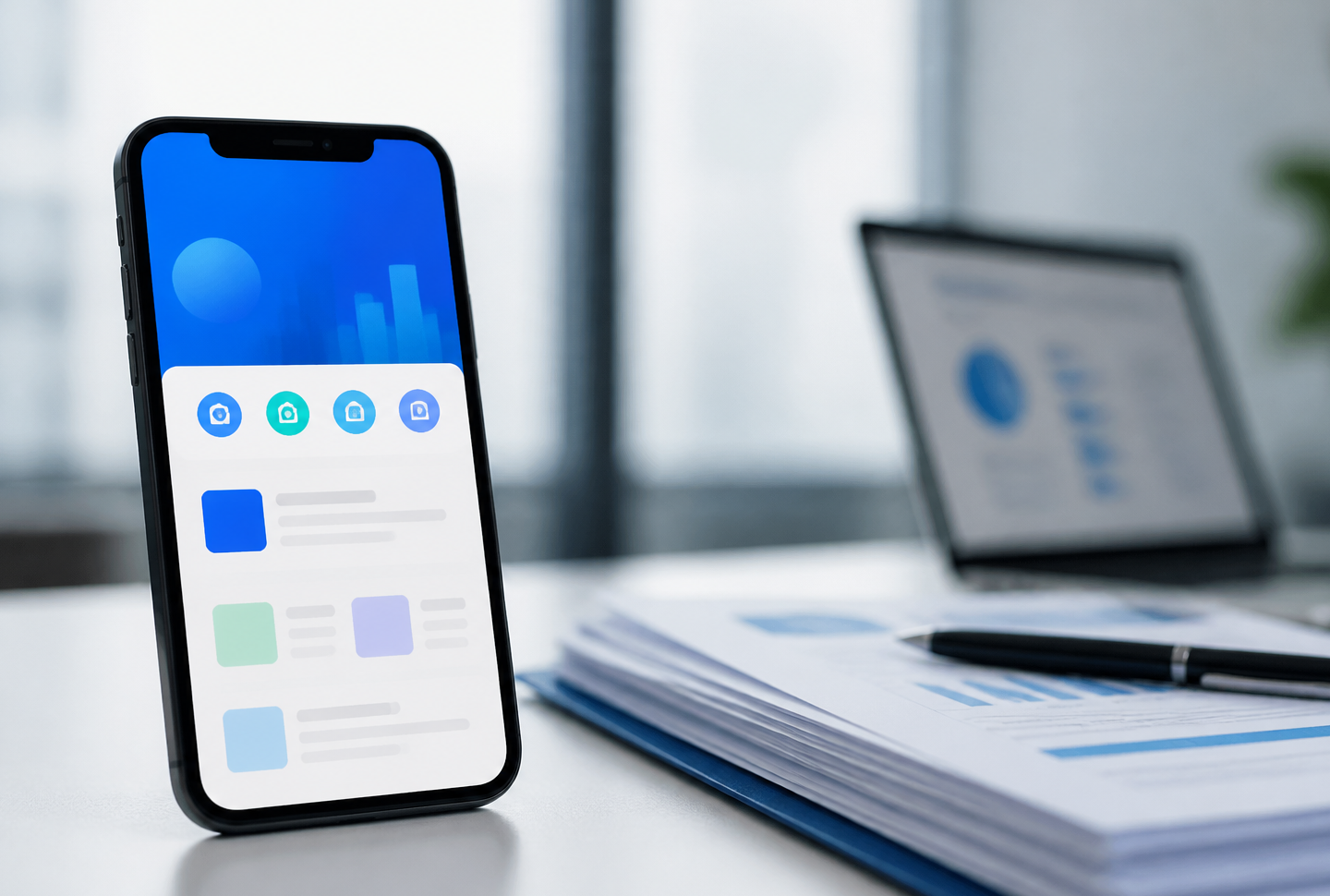
Software copyright vs. filing: different jobs
Around Software copyright vs. filing: different jobs, in scenarios related to After Mini Program Category Change: Re-file or Not, teams should clarify goal boundaries, data definitions, and coordination mechanisms first—turn abstract asks into an acceptance-ready checklist and align progress and risks on a biweekly cadence.
In execution (Part 3), prioritize least-privilege permissions, traceable processes, and explainable reports—avoid reverting to "system live but coordination still on spreadsheets and chat." Agree delivery boundaries, knowledge transfer, and contingency plans with vendors or internal builders—this sharply reduces capability gaps after project close-out; keep version records and audit trails for compliance checks and iteration.
Avoid vague descriptions
Around Avoid vague descriptions, in scenarios related to After Mini Program Category Change: Re-file or Not, teams should clarify goal boundaries, data definitions, and coordination mechanisms first—turn abstract asks into an acceptance-ready checklist and align progress and risks on a biweekly cadence.
In execution (Part 4), prioritize least-privilege permissions, traceable processes, and explainable reports—avoid reverting to "system live but coordination still on spreadsheets and chat." Data definitions and permission models must align at project kickoff and be rechecked each iteration to prevent report drift from distorting management decisions.
XYN Technology continues building methodology and delivery experience in software development. Teams with needs around "After Mini Program Category Change: Re-file or Not" are welcome to connect and advance verifiable, operable digital rollouts together.