
Mini-programs have been page-centric: find the entry, tap through menus. After WeChat's 2026 AI development push, the trend is encapsulating query, booking, and ordering as Skills callable in natural language. For enterprises, mini-programs become capability sets orchestrated by assistants—not just lightweight apps.

Background: From Page Traffic to Capability Invocation
Public materials show WeChat's AI app and online-tool mini-program growth plans offering cloud dev and model compute, encouraging machine-readable function exposure. Tencent Cloud cases for todos, queues, and ordering show replicable paths. Brands still optimizing page visuals may miss the new "discovered and invoked by AI" entry.
Challenges are clear: after exposing capabilities, permissions, frequency, and data minimization must be designed together. Skill calls without audit equal handing core transaction APIs to uncontrolled dialogue chains.
Core Method: Skills Design and Engineering Constraints
Draw the Business Loop Before Encapsulation
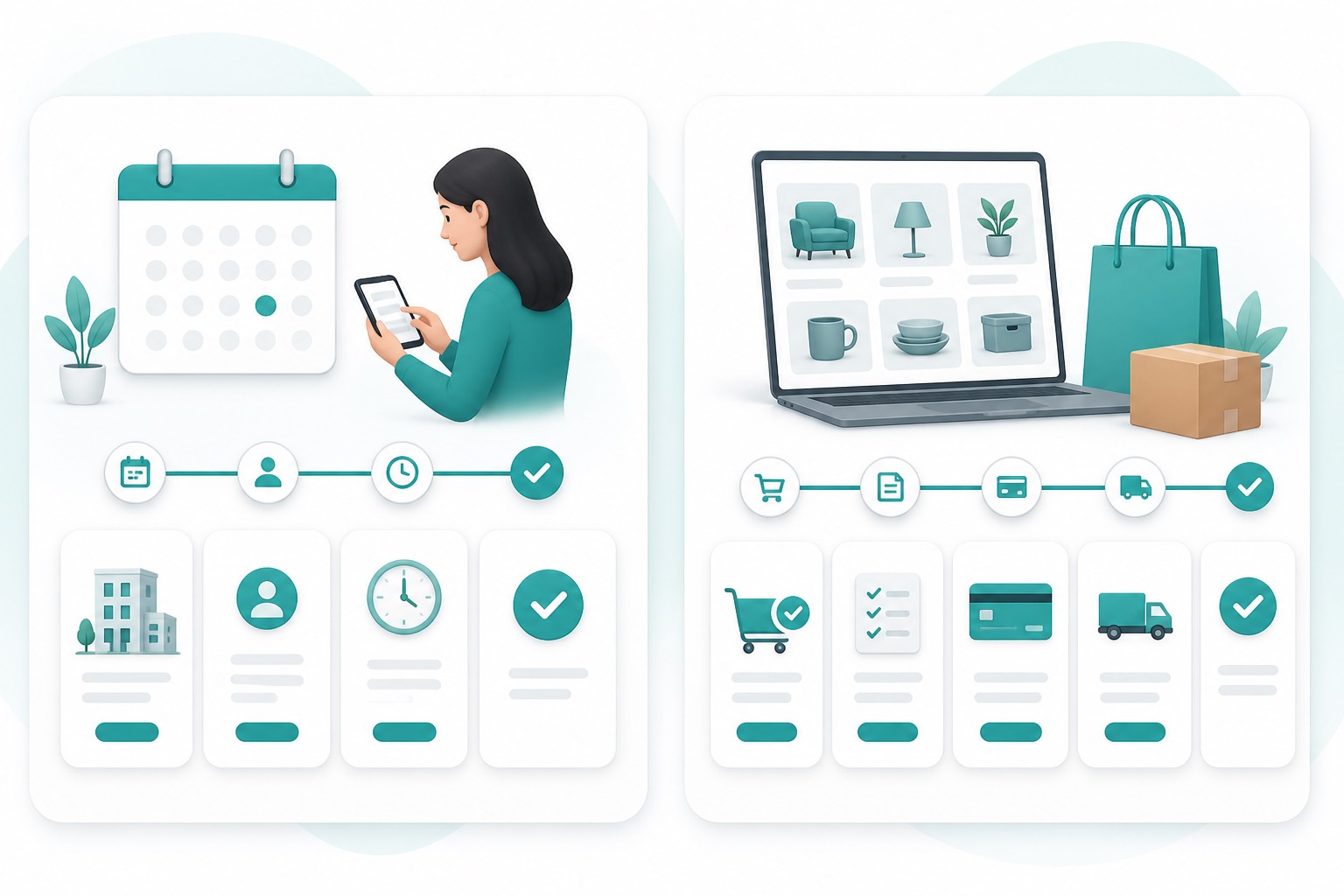
Member mini-programs often fail by launching a mall first. Safer: run "booking—visit—verification" minimum loop, then define Skills—inputs (store, slot, headcount), outputs (booking ID, status). Each Skill documents preconditions and error codes for assistant explanations and backend idempotency.
Permissions, Quotas, and Degradation
Natural-language calls cannot bypass auth. Validate user identity, store scope, and operation quotas server-side; stricter quotas for inventory and payment. On network or third-party failure, degrade clearly—e.g., map pick fails → text address entry, not a dead end.
- Skill descriptions use stable verbs and business object names
- Critical writes need second confirmation or short-lived tokens
- Log all invocations with per-user audit trails
Practice: Conversion After Booking Skills Launch
A chain brand split its booking page into three Skills: check slots, create booking, reschedule. The assistant handled the first two in natural language; payment stayed on the mini-program confirm page. Two-week comparison: booking completion up ~18%, repetitive CS queries down. Success hinged on stable store calendar and inventory APIs—not a stronger model.
Cross-platform teams can keep one business logic in uni-app or Taro, but Skill contracts should live in separate docs so page changes do not drift assistant calls.
Skills also force API doc quality: enums, error codes, and examples must read well for humans and models. Maintain a ≤2-page contract per Skill and CI-check implementation against docs. Gray-release to internal employee assistants before customer entry to cut mis-call cost.
Commercially, invoked capabilities shorten conversion but require ops playbooks and inventory strategy. When slots are full or stock out, assistants should offer alternatives—not repeated apologies. Write rules as configurable policies, not hard-coded prompts.
Summary and Outlook
Mini-program Skills are an interaction upgrade and an API governance opportunity. Encapsulate high-frequency, low-risk, verifiable actions first; keep payment and sensitive ops on controlled confirm paths. More traffic will come from assistant distribution—teams with capability catalogs ready will lead.