
Enterprise app demos run on strong office Wi-Fi; after launch they stall in warehouse dead zones and parking garages. Field staff are not "unable to use" the app—requests time out, submissions vanish, states desync. 2026 puts more inspection, inventory, and field check-in on mobile; weak-network and offline-first should move from "nice to have" to delivery standard.
Background: Field Network Conditions Are Systematically Underestimated
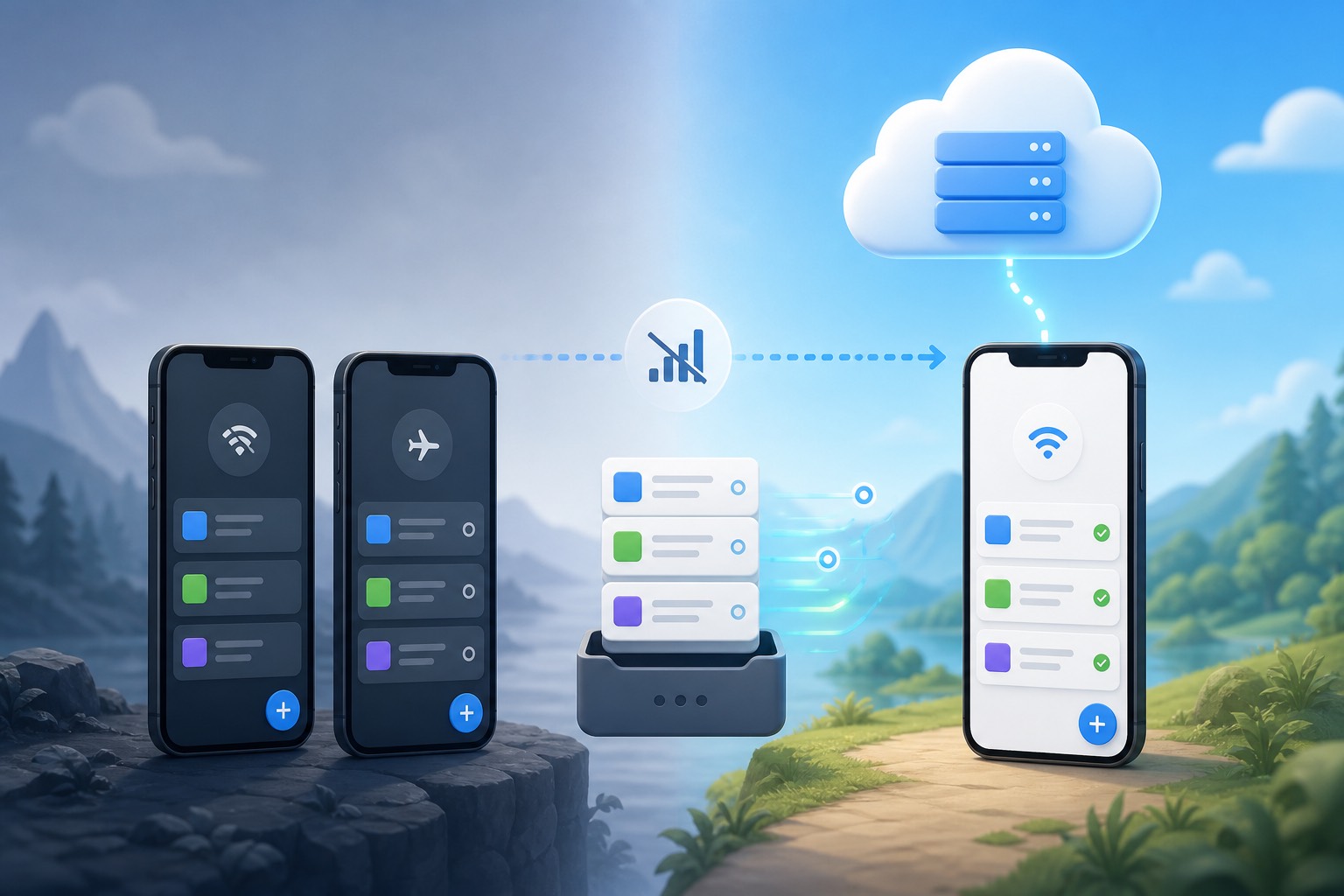
Manufacturing and logistics sites have metal racks, thick walls, and dense equipment—cellular and Wi-Fi fluctuate. Apps that require live APIs for every action duplicate scans, hollow documents, or wrong inventory when offline. Store policies also penalize crash and ANR rates; retry storms on weak networks can overwhelm backends.
Device fragmentation matters too: low-end Android, rugged industrial phones, and tablets coexist. Acceptance without weak-network scripts and device matrices leaves risk with the front line.
Core Method: Queues, Idempotency, and Conflict Strategy
Local First, Retry on Upload
For inventory and inspection check-ins, use "local write → queue upload → server confirm." Each record carries a client-unique ID; server dedupes idempotently. Failed uploads use exponential backoff. UI must distinguish "saved locally" vs "synced to cloud" to stop anxious double submits.
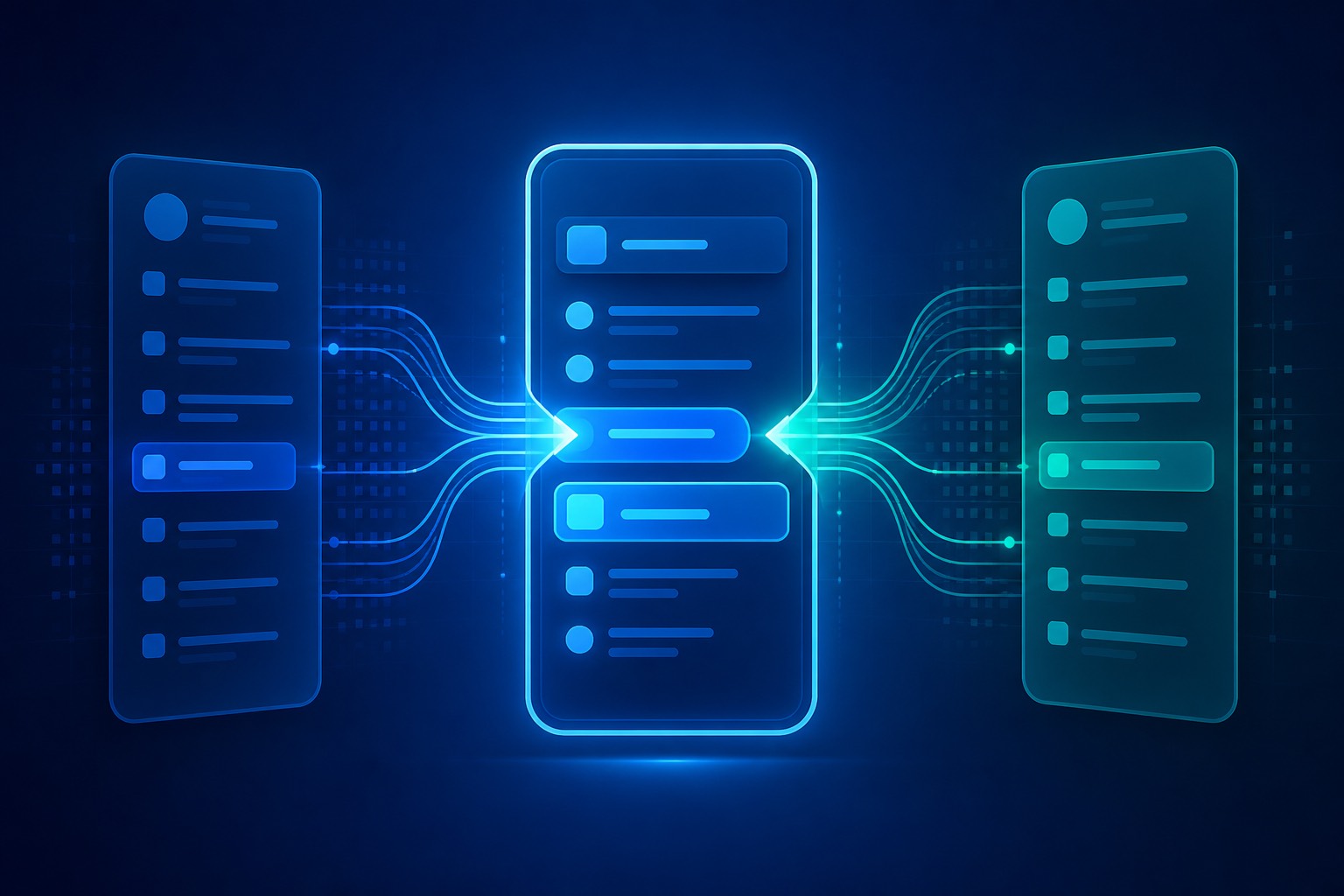
Conflicts Visible and Resolvable
When two users edit one document, do not silently overwrite. Show conflict fields; auto-merge or escalate to supervisors by business rules. For inventory, prefer server snapshot and prompt reconfirmation. Silent update failures need human-readable reasons—not generic errors.
- Acceptance must include weak-network and offline test scripts
- End-to-end trace IDs on critical writes
- Push permission and frequency aligned with business value—avoid one-tap disable
Practice: Inventory App Retrofit
A warehouse firm saw >12% submit failure in poor-signal zones. After local queues and idempotency keys—and flight-mode drills in pre-shift meetings—failure dropped below 2% in four weeks; inventory variance complaints fell sharply. Modest dev effort, major front-line trust gain.
Planning HarmonyOS and Android dual release: unify offline data models and sync protocol before UI differences—avoid two conflict logics.
Security: offline cache may hold customer addresses and amounts; lost devices need remote wipe or local encryption. Logs must not store tokens in plain text. Over-frequent push leads users to disable notifications—critical alerts then miss. In-app notices and maintenance windows should share one channel.
Testing: beyond functional cases, keep a fixed weak-network script—2G simulation, intermittent packet loss, flight-mode toggles, recovery after kill. Industrial tablet mix adds resolution and touch-miss to regression. Make these scripts release gates.
Summary and Outlook
Enterprise app competitiveness increasingly shows in reliable completion under bad networks. Write weak-network, offline, and conflict handling into contracts and acceptance to avoid "demo perfect, field unusable." Next step: edge cache and store-level private nodes to reduce real-time public-network dependency.