
A common group digitalization scenario: brand sites use the group primary domain, regional businesses use subdomains, and independent subsidiaries each hold their own domains. Once filing entity, domain holder, and server hosting provider information diverge, verification emails go unanswered—or worse, sites are disconnected from hosting. Domain planning must stay synchronized with legal-entity planning, not patched with materials at the last minute before launch.
Background: Filing Treated as a Minor Ops Task
In practice, ICP filing ties together domain real-name verification, entity credentials, responsible-person verification, and hosting-provider review. Wrong email addresses, non-compliant site names, or business scope that does not match site content all lead to rejection. When multiple business lines run in parallel without defining "who holds the domain, who files, who renews," certificate expiry after staff turnover and DNS changes with no owner become routine.
Cross-border scenarios add complexity: migrating Hong Kong hosting back to mainland China, IPv4-only setups flagged for remediation, and where ad landing pages may sit during filing—all require compliance and marketing coordination, not a tech-only workstream.
Core Method: One Ownership Register Resolves 80% of Disputes
Entity Strategy for Primary and Subdomains
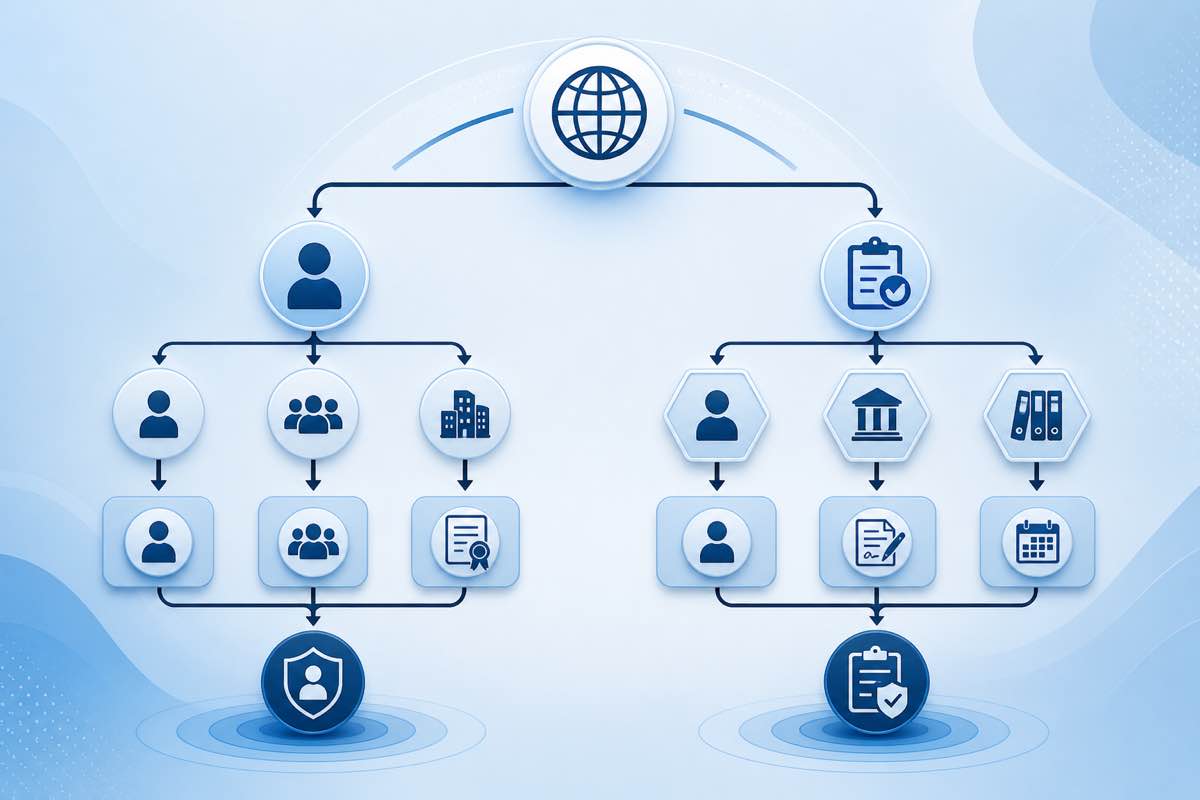
Divide by legal-entity boundaries: independently accounted companies that sign external contracts should prefer their own primary domains and separate filings. Brand campaign pages may use group primary-domain subdirectories or subdomains, but filing entity and content responsibility must be confirmed in writing. Avoid the three-way mismatch of "domain at Company A, filing at Company B, server under Account C."
Standardize Verification and Change Processes
Changes to domain-holder email or filing responsible-person mobile numbers must go through change tickets. Document folders should include business license, legal-person ID, domain certificate, and site-responsible-person authorization templates. When a hosting provider rejects for "non-compliant site name," rename per preset naming rules—do not invent labels on the spot.
- Maintain a domain ledger: expiry dates, DNS, certificates, filing numbers, responsible persons
- After filing succeeds, display filing numbers consistently (footer or About page)
- Site shutdown must follow deregistration—historical filings must not block future work

Case Study: Group Brand Site Consolidation
A manufacturing group had five brand sites scattered across individuals and subsidiaries. After consolidation, the group IT center held primary-domain DNS; subsidiary business domains filed independently but shared hosting standards. Verification pass rates improved significantly before the first major promotion; urgent "filing disconnected from hosting" tickets dropped from several per quarter to occasional cases.
For campaigns still under filing review, landing pages should sit on already-filed, usable domains—or compliant temporary options—to avoid running ads while the site goes dark.
Certificate management should merge with the filing ledger: auto-remind 30 days before expiry; failed renewal escalates to an incident ticket. DNS changes need dual review to prevent mispointing to unfiled hosts. Train business colleagues on boundaries among mail servers, FTP, and website filing—avoid the misconception that "once filed, any service can be opened freely."
If the group has overseas marketing sites, clarify whether they target mainland China users, whether filing is required, and how content syncs with the domestic primary site. Once compliance messaging is unified, marketing and engineering coordination costs drop sharply.
Summary and Outlook
Domains and ICP filing are not the last checkbox on a launch list—they are ownership contracts for digital infrastructure. Early entity division and ledgers cost less than any emergency playbook. As verification tightens, groups should fold filing changes into routine ITSM processes, linked to HR offboarding and legal-entity changes.