Mini programs with generative dialogue, smart recommendations, or AIGC features face a higher launch bar than ordinary utilities. Beyond mini-program filing, they may require algorithm filing, security assessment, and stricter privacy compliance. Treating compliance as end-of-development homework almost guarantees delay. The right approach is dual-track parallel work: feature iteration and material preparation on one schedule.
Background: Filing Interpretation Becomes the Bottleneck Before Features
Regulators and platform review both watch whether service descriptions are too broad, whether the entity matches real operations, and whether privacy popup copy aligns with actual collection. Cases of "passed review but later complained about" are common—the root cause is permission descriptions inconsistent with actual SDK behavior. AI capabilities also add checkpoints around model source, content safety, and minor protection.
Individual developers publishing for enterprise clients, test accounts converting to formal entities, and Alipay filed but WeChat not filed—all easily fail on entity consistency.
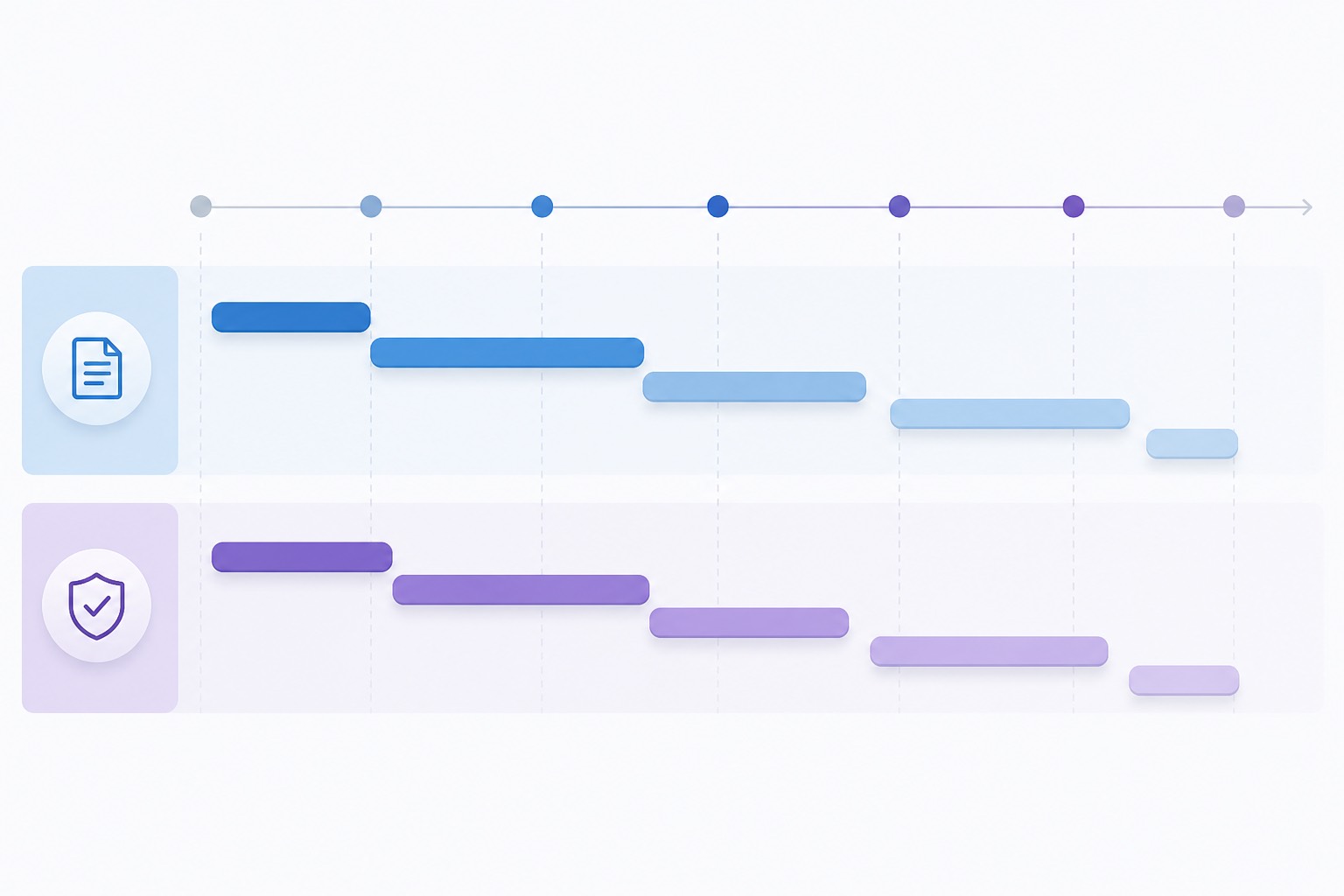
Core Method: Bind Material Packages to Development Milestones
Start Filing at 70% Development
Features need not be fully frozen to prepare entity credentials, service categories, privacy policy, and responsible-person information. Submit as soon as core pages stabilize, parallel to remaining UX polish. AI capability descriptions should accurately state boundaries—avoid "all-powerful assistant" hype that triggers rejection.
Triple Review: Permissions, Privacy, and Algorithm Descriptions
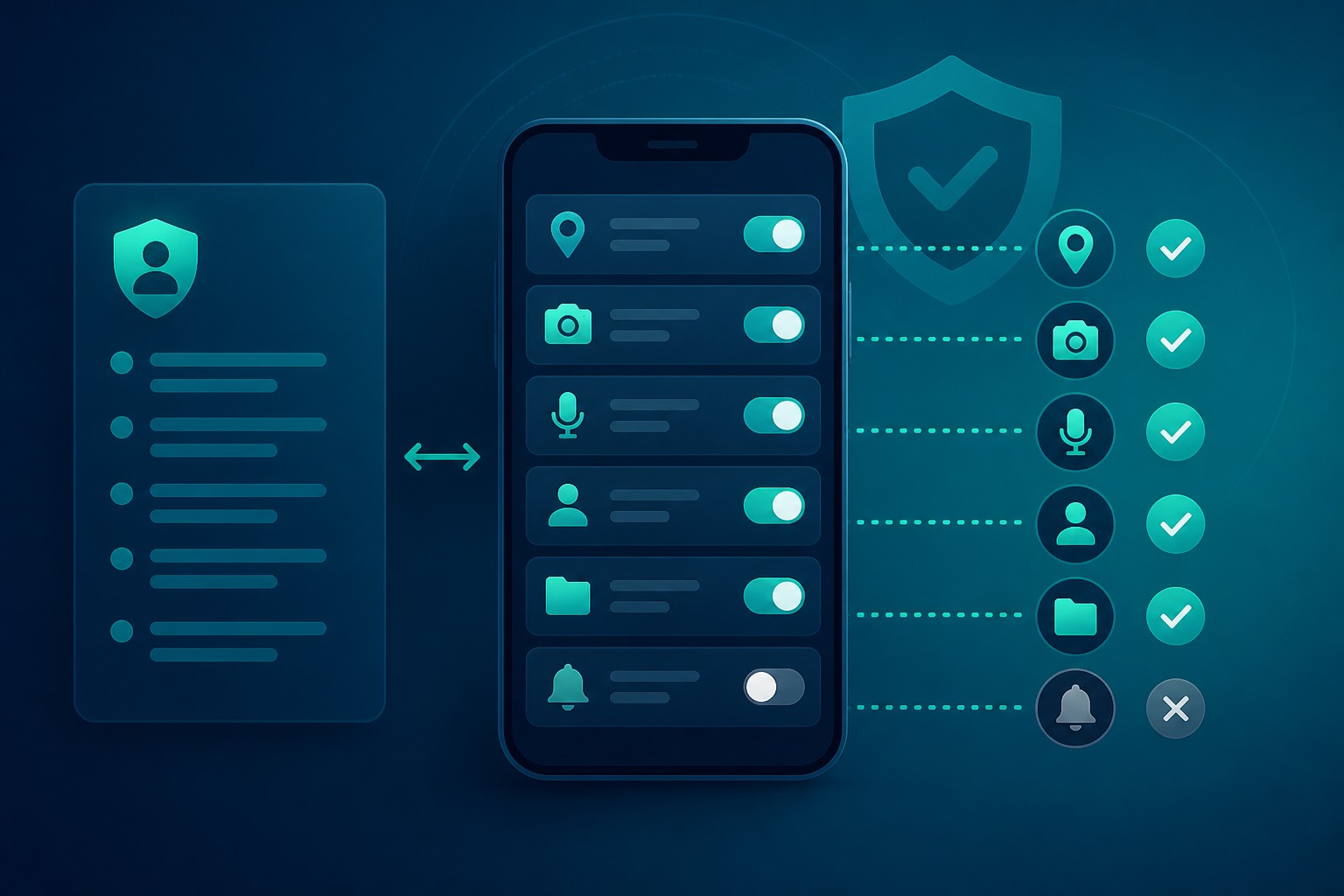
Product, legal, and engineering jointly review: are requested permissions minimum necessary; does privacy policy update date match the filing entity; if using third-party LLMs, how are data processing and cross-border risks disclosed. Generated content needs traceable safety-filter strategy documentation for review and customer complaints.
- Maintain a filing role table: admin is not responsible person—separate permissions
- After category changes, assess whether re-filing is required
- Cross-check app store ICP and APP filing number entries
Case Study: Smart Customer-Service Mini Program Parallel Compliance
A brand launched a smart customer-service mini program with dual-track from day one: engineering built dialogue and work-order closure while compliance prepared algorithm descriptions and mini-program materials. Two weeks of review buffer in the schedule meant formal launch only three days after feature completion. Compared with prior "finish features then file" projects, overall cycle shortened by about three weeks.
Post-launch still requires attention: filing commitment terms, face-verification failure handling, and whether service content changes trigger updates. Compliance is ongoing—not a one-time certificate.
App store submission often rejects when software copyright name, APP name, and filing entity mismatch. Materials need cross-reference tables early. Games or special categories need extra qualifications—do not reuse ordinary utility messaging. Demo to clients in test environments should avoid unfiled entities creating an "ready to launch" illusion.
Operations needs a change trigger checklist: category adjustment, generative capability upgrades, new permission collection, entity information changes—all require assessing filing or privacy policy updates. Assign compliance responsibility to specific roles to avoid "everyone thought someone else was handling it."
Summary and Outlook
AI mini-program competitiveness includes both feature experience and compliance speed. Running algorithm and mini-program filing in parallel under project governance enables real launch when traffic windows open. Enterprises should build reusable document folders and checklists so each new mini program does not start from zero.