
Since 2024, mini program filing is fully enforced; app stores tighten privacy, permissions, and content review. "Finish dev then paperwork" often misses business windows. Treat filing and store review as compliance engineering parallel to R&D.

1. Mini Program Filing Essentials
Filing entity must match mini program verification entity—business license, legal rep or owner ID, emergency contact. Non-individual entities follow enterprise flow; special categories need prior licenses. During review, keep admin contact reachable and base pages showing real business—not empty shells.
1.1 Relation to Website ICP
Mini program filing and website ICP are separate systems but often share entity credentials. Multi-brand groups should plan which businesses use which entity early to avoid re-auth and data splits on migration.
2. App Store Compliance Checklist
| Item | Review Focus | Prepare |
|---|---|---|
| Privacy policy | Fields collected, purpose, third-party share | Accessible policy + consent flow |
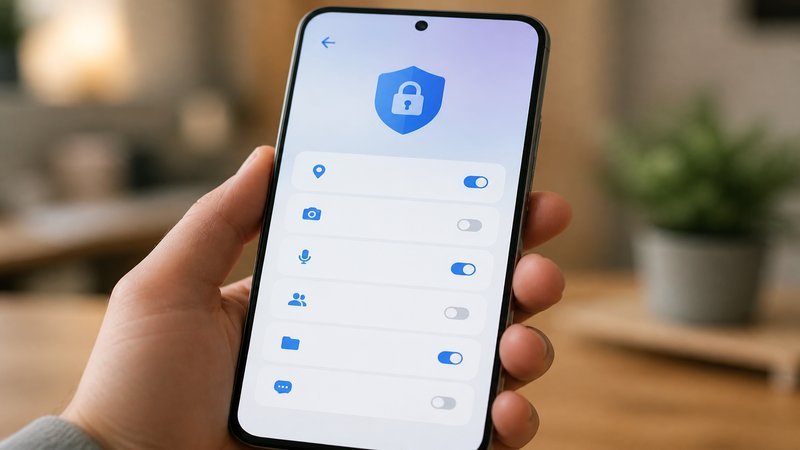
| Permissions | Minimized, runtime explanation | Permission map + use cases |
| Account and content | Registration, violations | Test accounts, moderation policy |
| Payment and membership | Price display, auto-renew rules | Agreements + cancel path screenshots |
iOS and domestic Android differ in detail, but "minimum necessary, explicit consent, revocable" is shared. Do not init analytics/ad SDKs before privacy consent; degraded paths when permissions denied.
3. Common Rejections and Fixes
- Privacy policy unreachable or mismatched: stable URL, fields match code.
- Wrong category or missing license: match real function, prepare industry permits.
- Invalid test account: working account + path covering core flows.
- Inducement sharing or bad marketing: clean popups; keep normal share.
Fixes are not "wordsmith for review"—build compliance regression: permissions and privacy cases every release.
4. Project Scheduling
Three parallel tracks: product R&D, compliance materials, store comms. Materials start at requirements freeze; regulated categories (medical, finance, publishing) involve legal at kickoff. Buffer review rounds—submit at least one month before promos, expos, or fundraising.
5. Closing
Compliance is part of digital delivery. Many teams build features; fewer ship and update reliably under review. XYN Technology recommends filing and store checklists in Definition of Done—"shippable" equals "compliantly shippable."
6. Release and Compliance Regression
Each new SDK or permission may trigger re-review. Maintain a compliance change log: version, new fields, third-party SDKs, permission purpose, privacy update link. Pre-release: run "deny permission" paths—core features degrade, not crash.
One utility app was rejected for location without first-launch purpose explanation; fixed with scenario dialog and settings toggle.
6.1 Multi-Store Differences
iOS vs Huawei, Xiaomi, App Gallery differ on privacy popups, account deletion, teen mode. Maintain a channel diff table; core bundle unified, channel packs differ config/assets only. Mini program and app filing share entity docs but review differs—assign owner for policy updates.
7. AI Feature Store Notes
Generative AI mini programs/apps need algorithm filing materials, content safety policy, human review process. Stores increasingly ask model source, training compliance, complaint channel—dedicate an AI section in privacy policy.
Release checklist: privacy URL live, permission copy matches code, SDK versions match declarations, test accounts work.
Separate test and prod builds; test channels must not connect prod payment; IAP/subscriptions must show price, period, cancel path clearly.
8. Incident Prevention
Compliance incidents often from urgent hotfixes—stats SDK added for a campaign without privacy update. A 30-minute legal/product fast-review channel beats post-removal fixes.
Apps with pay/membership: account deletion and data deletion must be demonstrable in review—not "register only, no delete."
Minor mode and parental controls are hard requirements for ed apps—prototype stage, not pre-launch scramble.
Shared backend: sync privacy and permissions on both ends; any new field on one side needs copy and dialog on the other. Device ID collection needs purpose and opt-out in policy.