
Article 23 of the Anti-Telecommunications Network Fraud Law of the People’s Republic of China stipulates that the establishment of mobile internet applications must, in accordance with relevant national regulations, obtain a license or file a record with the telecommunications administrative authority. Based on this, WeChat’s “Mini Program Filing Operation Guide” outlines five steps: information submission, platform preliminary review, SMS verification by the Ministry of Industry and Information Technology, review by the provincial telecommunications administration, and successful filing . When enterprises upgrade their mini programs from brand showcases to order placement and payment, they simultaneously encounter three hurdles: WeChat categories and qualifications, WeChat Pay merchant numbers, and whether the completed filing information still matches the new service content. If any one of these three aspects lags behind, it will result in the situation where “the functionality is finished, but the review cannot pass.”

First, clearly distinguish between: account entity, business category, and filing entity
Showcase-type mini programs can survive with relatively light categories; however, once product shelves, online contracts, or fund settlements appear, individual entities essentially cannot proceed. WeChat authentication, merchant numbers, and transaction dispute rules are all established based on corporate or individual business household entities. The business scope listed on the business license must cover the actual sales categories—this is the most common reason for rejection after the tightening of reviews in 2025–2026—not “whether there is a license,” but rather “whether the words on the license include what you’re selling.” For food, alcohol, medical devices, pharmaceuticals, education and training, online publishing, audiovisual programs, and similar sectors, additional pre-approval documents must also be submitted during the filing process, with corresponding permits and competent authorities listed by category in the guidelines.
1.1 Changing the filing is not optional
WeChat’s operational guidelines explicitly state that any changes to the mini program name, person in charge, entity name, or contact information must be promptly updated through filing. If the unified social credit code does not match the filing entity, or if the entity has been canceled or revoked, the administrator must first cancel the registration before reapplying. Treating “launch transactions first, then modify the filing two months later” as a routine practice is tantamount to actively walking into a window where the mini program may be removed.
| Upgrade actions | WeChat side | Payment side | Filing side |
|---|---|---|---|
| Adding retail shelves | Applying for corresponding e-commerce/retail categories and qualifications | Corporate or individual merchant number, matching settlement accounts | Changes in service content require filing amendments |
| Selling food or alcoholic beverages | Categories plus food business licenses, etc. | Synchronizing merchant number categories accordingly | Supplementing materials as required by the regulatory authority |
| Pharmaceutical/device information services | Corresponding categories | Usually cannot be processed like ordinary retail | Requires prior documents such as the “Internet Pharmaceutical Information Service Qualification Certificate” |
| Changing the name or legal representative | Updating account information and authentication | Synchronizing merchant number legal representative/settlement information | Amending the filing, ensuring documents match domain names/names |
Second, among the five stages of filing, the SMS verification step is the easiest to fail
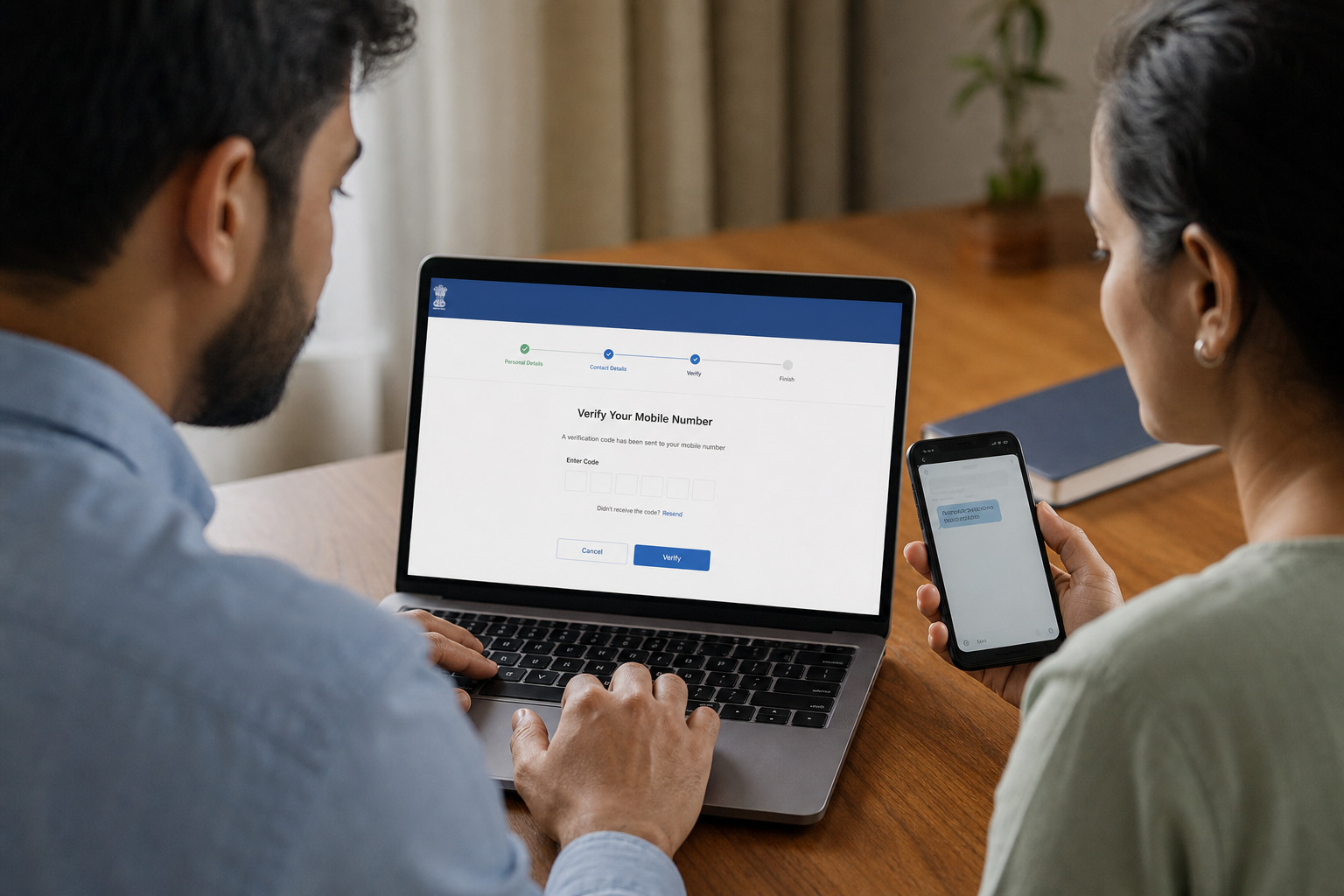
Mini programs not yet launched have had their filing portal open since September 4, 2023; existing mini programs can submit via the settings page or the top banner on the homepage, and the service provider API also supports bulk submissions. WeChat clarifies that bulk submissions come with dynamic quotas—once the daily quota is exhausted, the next submission can only be made at 10 a.m. the following day. If a transaction upgrade gets stuck at the end of the quarter, treat the quota as a risk rather than just small print in the backend. The platform’s preliminary review typically takes 1–2 working days, during which the phone must remain accessible. After passing the preliminary review, the Ministry of Industry and Information Technology sends verification SMS messages to both the entity’s responsible person and the mini program administrator, using the number 12381, which must be verified within 24 hours by logging onto the MIIT filing website; if verification fails, a second attempt is allowed, but if the deadline is missed, the system automatically rejects the application, requiring resubmission through the WeChat public platform. Regulatory review usually takes 1–20 working days. Upon approval, a mini program filing number is issued, and after going live, this number automatically appears on the mini program’s “More Info” page, eliminating the need for developers to manually add a footer—a distinction from websites, where ICP numbers must be placed at the bottom of the homepage.
- When the responsible person and the legal representative do not match, supplementary materials vary across provinces—do not rely on a single authorization letter to handle everything.
- Photo verification requires a light-colored background and an unobstructed face; electronic photos taken on-site must be uploaded directly to the platform.
- Documents must have more than one month of validity, with complete corners and key information fully visible in scanned copies.
- For categories such as news, publishing, ride-hailing, off-campus tutoring, religion, and internet finance, do not expect to “first prepare general information services and then make changes” without prior documentation.
Third, do not schedule payment activation during gaps when filing is still incomplete
Merchant number reviews also assess whether the business scope aligns with the category. Even if the mini program page already allows ordering, discrepancies in settlement account names, categories, or filing entities will inevitably surface during merchant number checks or subsequent transaction audits. A more prudent scheduling approach is: ensure licenses and special permits are complete → category applications approved → new filings or amendments finalized → then activate payments and launch full product lines. Developers can concurrently write shopping carts and order state machines, but should use feature toggles to block actual payments, and grayscale testing should be limited to internal employees only.
Fourth, provide teams preparing to add transactions with a reverse timeline
XYN Tech recommends counting backward from the “date of the first real payment”: regulatory review takes 10–20 working days, SMS verification 24 hours, platform preliminary review 2 working days, and allow one round of corrections each for categories and merchant numbers. If prior permits have not yet been obtained, this date should not appear in promotional materials. Rules are based on the latest pages of the Ministry of Industry and Information Technology, provincial regulatory authorities, and the WeChat Open Platform; this article follows WeChat’s current filing guidelines and publicly available operating standards, but does not replace local verbal requirements at service windows.
Transaction dispute resolution rules and experience scores represent WeChat’s extra leverage over mini programs providing online trading services: the platform can intervene in disputes or restrict certain transaction scenarios. Passing a category merely means “allowed to sell,” but does not guarantee that after-sales service, delivery times, or false advertising won’t ultimately affect payment permissions. During development scheduling, independent acceptance should be reserved for compliance copywriting, after-sales pages, and refund procedures, rather than simply verifying successful order placement. Failure in transaction-related upgrades rarely stems from omitting a product detail page; instead, compliance is often treated as post-launch cleanup. Print out the category list, check each item against your license copy, and decide when the settlement button should light up—this decision about release timing matters far more than another round of visual design.