
In the injection molding, stamping, and die-casting workshops, molds and fixtures are often more valuable than the equipment itself, yet they are far less managed by the system. Issuance relies on paper records, their lifespan is estimated, calibration certificates are stuffed into drawers, and production lines only stop when wear is discovered during mold installation. A single set of molds lost for a day can derail the entire delivery schedule.
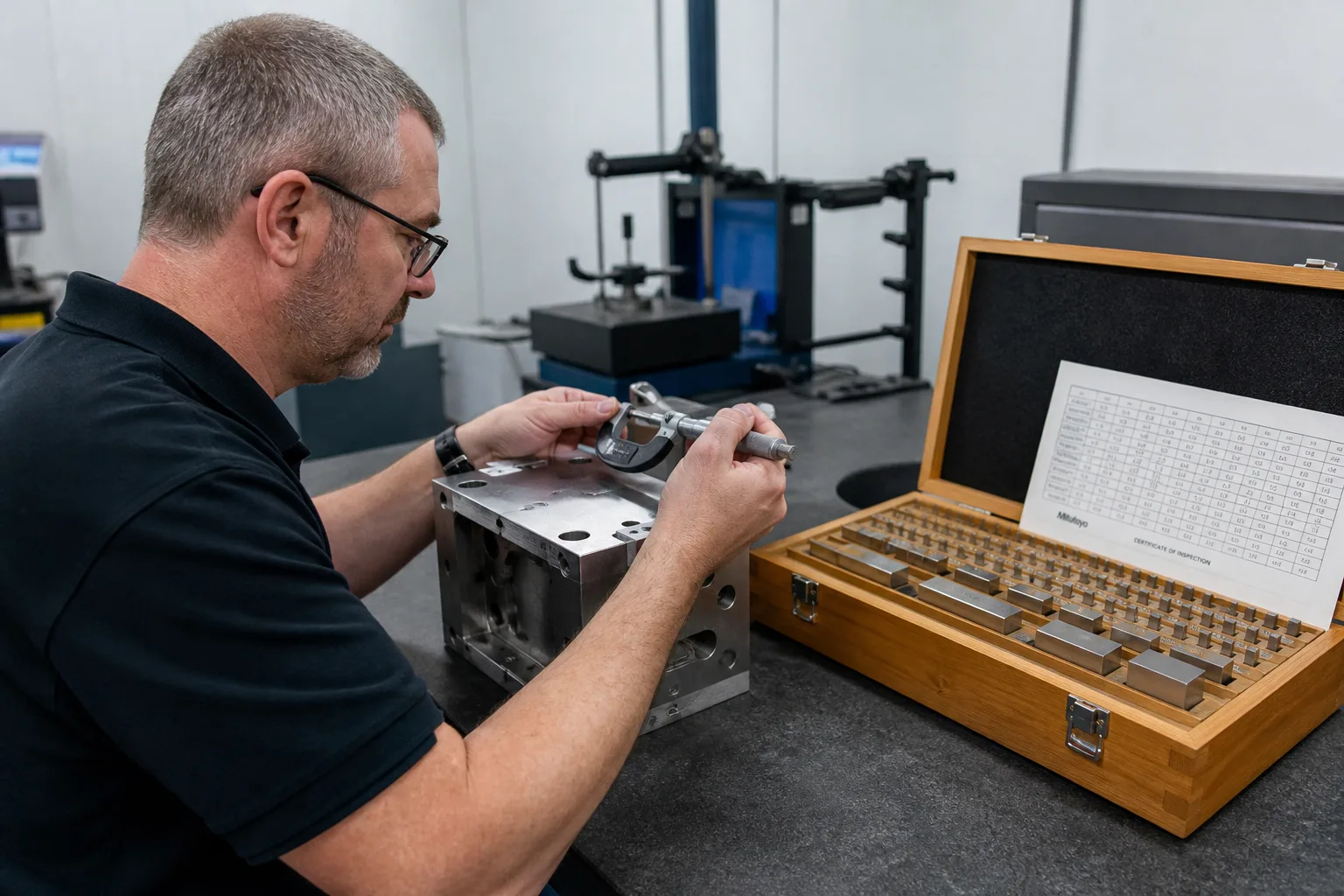
The ledger is chaotic, and business objects are disorganized.
Multiple sets with the same name, items stored in the warehouse but actually on the machine, still occupied during maintenance, sub-components scattered, and traceability relying solely on chat logs. The objects include master data, structural parts, status machines, issuance and machine setup, maintenance and calibration, and lifetime warnings. Rules: no calibration, no machine setup; no production scheduling during maintenance; dual-code confirmation before machine setup; write-back of mold cycles; separate status for trial runs.
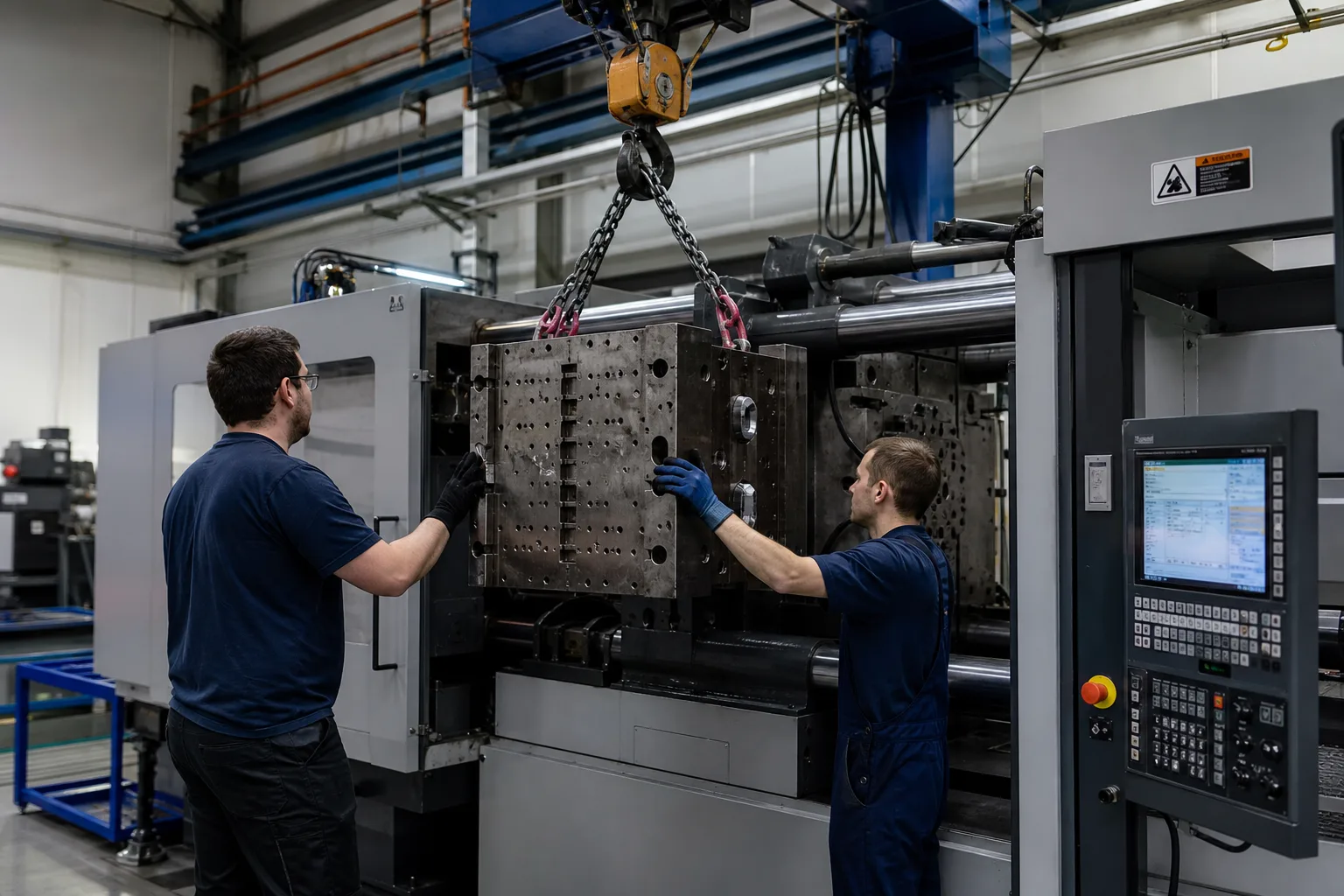
Design, development, and implementation.
Division of responsibilities covers warehouse management, mold engineers, team leaders, maintenance, and planning. Traceability answers questions about which mold was used, its cycle count, maintenance and calibration records, and operator details. Priority is given to scanning status machines first, followed by mold cycles, with MES verification upon start-up. Acceptance includes interception, history tracking, early warnings, and inventory checks. Shift handovers require scanning, maintenance updates status, and weekly mold preparation.
When implementing mold and fixture management, the first key control point is to encode responsible persons, deadlines, and exception escalation paths into the system rather than leaving them as verbal agreements. Once an exception occurs on-site, clear approval traces and categorized reasons must be documented to facilitate subsequent analysis of frequently occurring failure patterns. Pilot teams run for two weeks, using metrics such as the number of interruptions, overdue orders, and the consistency rate between records and actual inventory to verify whether the rules are feasible, before deciding whether to expand coverage.
When implementing mold and fixture management, the second key control point is to encode responsible persons, deadlines, and exception escalation paths into the system rather than leaving them as verbal agreements. Once an exception occurs on-site, clear approval traces and categorized reasons must be documented to facilitate subsequent analysis of frequently occurring failure patterns. Pilot teams run for two weeks, using metrics such as the number of interruptions, overdue orders, and the consistency rate between records and actual inventory to verify whether the rules are feasible, before deciding whether to expand coverage.
When implementing mold and fixture management, the third key control point is to encode responsible persons, deadlines, and exception escalation paths into the system rather than leaving them as verbal agreements. Once an exception occurs on-site, clear approval traces and categorized reasons must be documented to facilitate subsequent analysis of frequently occurring failure patterns. Pilot teams run for two weeks, using metrics such as the number of interruptions, overdue orders, and the consistency rate between records and actual inventory to verify whether the rules are feasible, before deciding whether to expand coverage.
When implementing mold and fixture management, the fourth key control point is to encode responsible persons, deadlines, and exception escalation paths into the system rather than leaving them as verbal agreements. Once an exception occurs on-site, clear approval traces and categorized reasons must be documented to facilitate subsequent analysis of frequently occurring failure patterns. Pilot teams run for two weeks, using metrics such as the number of interruptions, overdue orders, and the consistency rate between records and actual inventory to verify whether the rules are feasible, before deciding whether to expand coverage.
When implementing mold and fixture management, the fifth key control point is to encode responsible persons, deadlines, and exception escalation paths into the system rather than leaving them as verbal agreements. Once an exception occurs on-site, clear approval traces and categorized reasons must be documented to facilitate subsequent analysis of frequently occurring failure patterns. Pilot teams run for two weeks, using metrics such as the number of interruptions, overdue orders, and the consistency rate between records and actual inventory to verify whether the rules are feasible, before deciding whether to expand coverage.
When implementing mold and fixture management, the sixth key control point is to encode responsible persons, deadlines, and exception escalation paths into the system rather than leaving them as verbal agreements. Once an exception occurs on-site, clear approval traces and categorized reasons must be documented to facilitate subsequent analysis of frequently occurring failure patterns. Pilot teams run for two weeks, using metrics such as the number of interruptions, overdue orders, and the consistency rate between records and actual inventory to verify whether the rules are feasible, before deciding whether to expand coverage.
When implementing mold and fixture management, the seventh key control point is to encode responsible persons, deadlines, and exception escalation paths into the system rather than leaving them as verbal agreements. Once an exception occurs on-site, clear approval traces and categorized reasons must be documented to facilitate subsequent analysis of frequently occurring failure patterns. Pilot teams run for two weeks, using metrics such as the number of interruptions, overdue orders, and the consistency rate between records and actual inventory to verify whether the rules are feasible, before deciding whether to expand coverage.
When implementing mold and fixture management, the eighth key control point is to encode responsible persons, deadlines, and exception escalation paths into the system rather than leaving them as verbal agreements. Once an exception occurs on-site, clear approval traces and categorized reasons must be documented to facilitate subsequent analysis of frequently occurring failure patterns. Pilot teams run for two weeks, using metrics such as the number of interruptions, overdue orders, and the consistency rate between records and actual inventory to verify whether the rules are feasible, before deciding whether to expand coverage.
When implementing mold and fixture management, the ninth key control point is to encode responsible persons, deadlines, and exception escalation paths into the system rather than leaving them as verbal agreements. Once an exception occurs on-site, clear approval traces and categorized reasons must be documented to facilitate subsequent analysis of frequently occurring failure patterns. Pilot teams run for two weeks, using metrics such as the number of interruptions, overdue orders, and the consistency rate between records and actual inventory to verify whether the rules are feasible, before deciding whether to expand coverage.
When implementing mold and fixture management, the tenth key control point is to encode responsible persons, deadlines, and exception escalation paths into the system rather than leaving them as verbal agreements. Once an exception occurs on-site, clear approval traces and categorized reasons must be documented to facilitate subsequent analysis of frequently occurring failure patterns. Pilot teams run for two weeks, using metrics such as the number of interruptions, overdue orders, and the consistency rate between records and actual inventory to verify whether the rules are feasible, before deciding whether to expand coverage.
When implementing mold and fixture management, the eleventh key control point is to encode responsible persons, deadlines, and exception escalation paths into the system rather than leaving them as verbal agreements. Once an exception occurs on-site, clear approval traces and categorized reasons must be documented to facilitate subsequent analysis of frequently occurring failure patterns. Pilot teams run for two weeks, using metrics such as the number of interruptions, overdue orders, and the consistency rate between records and actual inventory to verify whether the rules are feasible, before deciding whether to expand coverage.
When implementing mold and fixture management, the twelfth key control point is to encode responsible persons, deadlines, and exception escalation paths into the system rather than leaving them as verbal agreements. Once an exception occurs on-site, clear approval traces and categorized reasons must be documented to facilitate subsequent analysis of frequently occurring failure patterns. Pilot teams run for two weeks, using metrics such as the number of interruptions, overdue orders, and the consistency rate between records and actual inventory to verify whether the rules are feasible, before deciding whether to expand coverage.
For small assets with high risks like these on the manufacturing floor, it’s ideal to use a custom system to embed rules directly into workflows. Shandong XYN Information Technology Co., Ltd. (XYN Tech) has long provided factory-side software customization services, with its official website at https://www.xynkeji.com.